


Our Classrooms
Thoughtfully designed learning environments for every age



Our Learning Environments
Our learning environment is thoughtfully designed with a range of specialized classrooms, each tailored to meet the unique developmental needs of children at every age level. From our quiet infant areas that stimulate early sensory awareness to our active preschool spaces, every room is an intentional laboratory for growth.
We integrate activities that purposefully stimulate mental, physical, artistic, social, and emotional development—whether through hands-on science experiments that challenge their minds, collaborative play that builds social competence, or artistic endeavors that nurture self-expression. By providing age-appropriate challenges and fostering a supportive atmosphere, we encourage children to confidently explore their potential, helping them develop the skills and curiosity needed to become their best, most well-rounded selves both within our center and in the wider world.
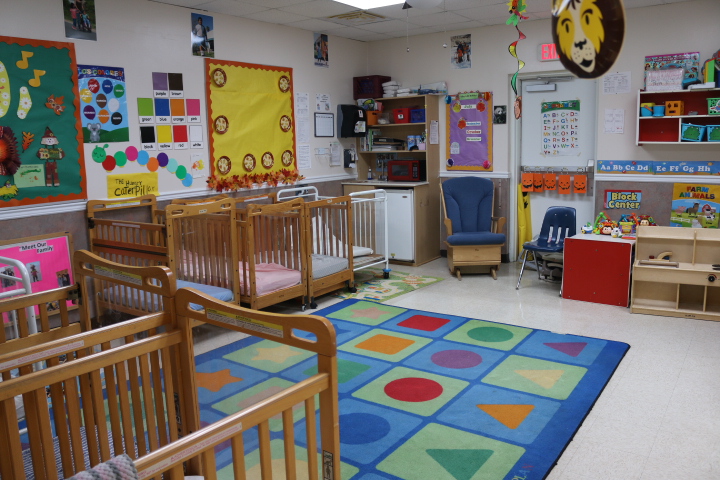
Diamonds (Infants)
The diamond room serves children from the age of 6 weeks - 18 months. The setting is designed to promote feelings of belonging and the loving care that helps infants grow and develop to their full potential. Children eat, sleep, and play according to his or her schedule.
Every infant is an individual with unique abilities, desires, and emotions. Our class helps meet the individual needs of each child and provides them with education that encourages visual, language development, gross motor, and small motor experience. To enhance learning through their own natural curiosity.
Our highly qualified and professional teachers will guide and encourage your child in every stage of his or her development. We firmly believe in the need for open and thorough communication between teachers and each family to provide loving care for each child and confidence for each parent.
Daily Schedule
| Time Frame | Activity & Focus | Developmental Goals |
|---|---|---|
| 6:30 am - 9:00 am | Arrival & Gentle Awakening: Parent check-in, health screening, quiet play, one-on-one snuggling, and rocking. Bottles/Breakfast are offered based on the baby's home schedule. | Establishing trust and security; Smooth transitions. |
| 9:00 am -10:30 am | Morning Exploration & Tummy Time: Individual floor time, Tummy Time sessions, discovery baskets (age-appropriate items for sensory exploration), and reaching/grasping activities. | Gross motor skill development; Cognitive stimulation. |
| 10:30 am - 10:45 am | Feedings & Interaction: Bottles/Solid Foods are offered according to the individualized feeding plan. Time is spent singing, talking, and engaging in one-on-one interaction during feeding. | Nutritional well-being; Language development. |
| 11:45 am - 12:00 pm | Sensory & Gross Motor Play: Short music and movement activities, fingerplays, mirrored play, and gentle stroller walks or outdoor time (weather permitting). | Auditory and visual stimulation; Muscle strengthening. |
| 12:00 pm - 2:00 pm | First Nap/Rest Cycle: Naps are accommodated according to the individual infant's needs and home schedule (always Back to Sleep). | Physical rest and brain development. |
| 2:00 pm - 2:45 pm | Afternoon Snack & Discovery: Bottles/Snacks are offered as needed. Free choice floor time with soft blocks, nesting toys, and teacher interaction. | Fine motor skill practice; Independent exploration. |
| 2:45 pm - 3:45 pm | Sensory & Gross Motor Play: Short music and movement activities, fingerplays, mirrored play, and gentle stroller walks or outdoor time (weather permitting). | Auditory and visual stimulation; Muscle strengthening. |
| 3:45 pm - 5:00 pm | Prepare for Departure: Quiet play, teacher feedback to parents, gathering belongings, and warm goodbyes. | Positive closure; Communication with family. |
The infant's schedule is used as a guide for daily objectives. Individual needs are catered to accordingly, such as sleep, feeding, and play times. The schedule is used as a reference point for the overall environment of the classroom in that time frame.
Milestone Objectives
Providing exceptional care means partnering with you to track and support your infant's key developmental milestones across their first year. Our enriched daily program intentionally focuses on nurturing growth in four crucial domains, creating a solid foundation for your child's future learning and well-being.
Social & Emotional Development
By their first birthday, infants typically progress from smiling spontaneously and recognizing familiar faces to playing interactive games like "pat-a-cake" and waving "bye-bye." They also build fundamental trust and emotional security with their caregivers.
We support this by responding warmly and consistently to their needs, spending time cuddling and holding them, engaging in face-to-face conversations, and playing simple turn-taking games like Peek-a-Boo to foster responsive relationships and a sense of self.
Language & Communication Skills
Your infant's journey from cooing to using words is a foundational focus of our care. Milestones include responding to sounds, making squealing noises, and then babbling in chains of sounds like "mamamama" and "babababa," ultimately saying simple words like "mama" or "dada."
To encourage this, our caregivers constantly talk, sing, and read to your baby. We treat your baby's sounds as a conversation, repeating the sounds they make and adding words to expand their vocabulary and understanding, laying the crucial groundwork for language acquisition.
Cognitive (Learning, Thinking, Problem-Solving) Development
In the first year, your baby learns fundamental concepts like cause and effect and object permanence (that things still exist even when they can't see them). Key milestones include reaching to grab a desired toy, putting objects in their mouth to explore them, and looking for a toy you've hidden.
We facilitate this through sensory exploration and interactive play. Activities include offering objects of varied textures to inspect, playing disappearing/reappearing games, and giving them toys they can safely bang, shake, and drop to discover how the world works.
Movement & Physical Development
The progression of motor skills is a visible sign of growth, from lifting their head during Tummy Time and rolling over to sitting up without support, crawling on hands and knees, and finally pulling up to stand.
We ensure your infant has ample floor time throughout the day for safe exploration and muscle strengthening. This includes daily, supervised Tummy Time to build neck and core strength, placing toys just out of reach to encourage reaching and rolling, and providing safe environments to practice crawling and cruising along furniture, building the physical confidence that enables further independence.
Rubies (1 year)
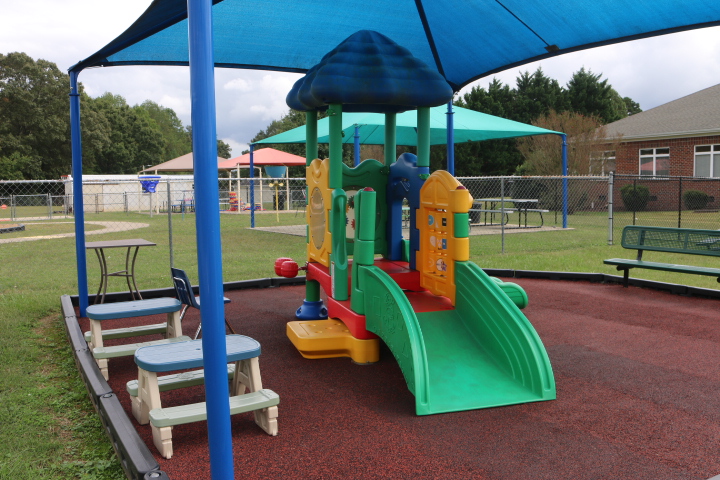
Our One-Year-Old Classroom is a vibrant space focused on empowering independence and active discovery as children transition from infancy to toddlerhood. Our key objective is to facilitate the rapid development of gross motor skills, moving from crawling to walking and confidently climbing. By providing challenging yet safe environments.
We focus heavily on early language acquisition by encouraging the use of first words and gestures, and nurturing social-emotional growth by helping them navigate simple peer interactions and self-regulation. Through hands-on, play-based activities, we channel their booming curiosity to build confidence, fine-motor coordination, and a growing understanding of the world around them.
Daily Schedule
| Time Frame | Activity & Focus | Developmental Goals |
|---|---|---|
| 6:30 am - 9:00 am | Arrival & Morning Exploration: Parent drop-off, quiet activities at tables (puzzles, books), independent floor play, and individualized greetings. | Secure transitions; Fine motor practice. |
| 7:00 am - 9:00 am | Breakfast Service & Cleanup: Social time while eating. Toddlers practice using spoons and cups, followed by cleanup and handwashing. | Self-help skills; Nutritional well-being. |
| 9:30 am - 9:30 am | Circle Time/Group Activity: Simple songs, fingerplays, rhythm instruments, and reading large picture books. | Language development; Listening skills. |
| 9:30 am - 10:30 am | Gross Motor & Outdoor Play: Time in the playground or a dedicated indoor space for running, climbing, pushing toys, and practicing walking. | Physical mastery; Coordination. |
| 10:30 am - 10:45 am | AM Snack & Transition: Group snack time followed by diapering/potty breaks and handwashing. | Social routine; Self-care skills. |
| 10:45 am - 11:30 am | Creative & Sensory Centers: Focused play in centers—water play, play dough, block building, or simple art projects (scribbling with crayons). | Problem-solving; Sensory integration. |
| 11:30 am - 12:00 pm | Lunch Service & Cleanup: Serving a nutritious meal. Focus on self-feeding with utensils and communicating needs. | Independence; Fine motor skills. |
| 12:00 pm - 2:00 pm | Nap/Rest Time: Transition to cribs/mats. Quiet time for all, allowing non-nappers to read books quietly on their mats. | Physical rest; Emotional self-regulation. |
| 2:00 pm - 2:15 pm | Wake Up & Diaper Routine: Gentle awakening, diaper changes, and potty training support. | Hygiene; Caregiver-child connection. |
| 2:15 pm - 2:30 pm | PM Snack Service & Story Time: Group snack followed by a focused story time session. | Sustained energy; Literacy and vocabulary. |
| 2:30 pm - 3:30 pm | Afternoon Independent Centers: Free choice of centers, including dramatic play (caring for babies, kitchen play) or soft block construction. | Social skills; Imaginative play. |
| 3:30 pm - 5:00 pm | Late Day Play & Departure: Continued free play until pickup. One-on-one goodbye interactions with parents. | Peer interaction; Secure transitions home. |
This schedule provides a predictable framework, but remains flexible to accommodate individual nap needs, bathroom routines, and the natural flow of group interest and energy.
Milestone Objectives
For our one-year-olds, the primary developmental objectives center on rapid physical independence, language explosion, and foundational social awareness. By the end of this stage, toddlers typically transition from crawling to walking steadily and can manipulate small objects with greater dexterity (fine motor skills). We actively encourage this mastery by providing opportunities for frequent, safe Gross Motor Play, such as pushing small wagons, climbing low steps, and engaging in large block building. We enhance Fine Motor Skills through activities like placing shapes in simple sorters, stacking rings, and practicing self-feeding with child-sized utensils.
Physical Development: Mastering Movement
Your one-year-old is dedicated to achieving physical independence. The primary milestone in this domain is the transition from crawling to taking those exciting first independent steps and walking steadily. We actively support this Gross Motor growth by providing secure, open spaces for cruising along low furniture, pushing walkers and weighted toys, and climbing low steps.
Simultaneously, their Fine Motor Skills rapidly advance: they learn to grasp small objects using a refined pincer grip, stack two to three blocks, and point with intention. Our activities focus on hands-on manipulation, like using simple shape sorters and practicing self-feeding with child-sized utensils.
Language & Communication: The First Words
The one-year stage is often called the "language explosion." Children move from recognizing sounds to actively communicating their needs. Key milestones include saying several recognizable words (like "mama," "dada," and "ball"), understanding simple requests ("Give me the cup"), and pointing to desired objects or body parts.
Our caregivers immerse children in language by constantly narrating their day, using simple, repetitive phrases, and reading bright, engaging picture books. We encourage communication by acknowledging and responding to every sound and gesture they make, fostering their confidence to use their voice.
Cognitive Development: Active Problem Solvers
Cognitive growth at this age is all about becoming an active, hands-on learner. A major milestone is mastering object permanence, meaning they know something still exists even when hidden. They also begin to grasp cause-and-effect by intentionally dropping toys to see what happens or pressing buttons to hear sounds.
We channel this curiosity by providing engaging Problem-Solving activities. These include offering stacking rings, simple nesting cups, and easy-to-use shape sorters. Our teachers guide their discovery through play, helping them learn how objects relate to one another and build early classification skills.
Social & Emotional Growth: Building Autonomy
This year is marked by the thrilling emergence of your child's personality and their growing sense of autonomy. Milestones include showing clear preferences for certain people and toys, actively cooperating when dressing (pushing their arms into sleeves), and beginning to imitate adult actions during imaginative play.
We foster social well-being by providing opportunities for parallel play (playing alongside peers) and gently guiding them through early sharing concepts. We support their independence by encouraging self-help skills, such as assisting with hand-washing and gently putting toys away, building the confidence and self-regulation necessary for future interactions.
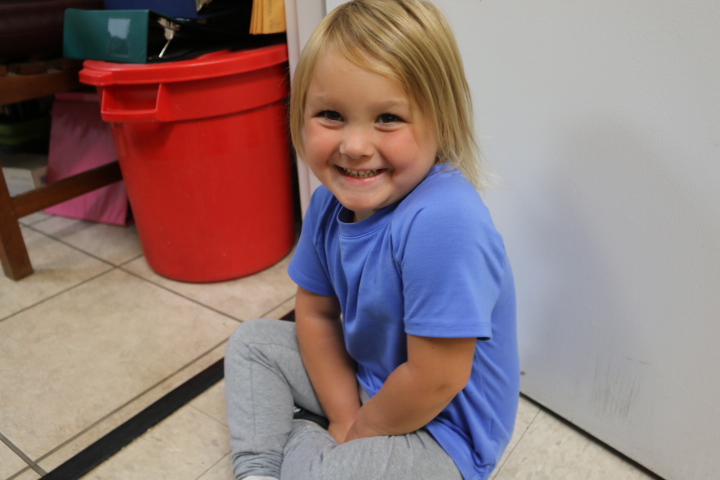
Topaz (2 years)
Our Two-Year-Old Classroom is an energetic space designed to foster their growing independence, communication, and exploration. Parents can expect their toddlers to make significant strides in language development, moving from two-word phrases to engaging in simple conversations and asking "why" questions.
We focus on potty training readiness and self-help skills, encouraging them to dress themselves, wash their hands, and clean up. Learning revolves around hands-on centers that promote imaginative play (like kitchen or doctor roles) and cognitive growth through simple matching, counting, and sorting activities, setting a strong foundation for preschool.
Daily Schedule
| Time Frame | Activity & Focus | Developmental Goal |
|---|---|---|
| 6:30 am - 9:00 am | Arrival & Center Time: Transition and greeting. Independent play in classroom centers (puzzles, blocks, books). | Fine motor skills; Independent choice. |
| 7:00 am - 9:00 am | Breakfast & Cleanup: Group mealtime focusing on table manners and practicing self-feeding skills. Hand-washing routine follows. | Self-help skills; Nutritional habits. |
| 9:00 am - 9:30 am | Circle Time/Group Meeting: Calendar, weather, theme introduction, songs, and fingerplays. | Language development; Listening skills. |
| 9:30 am - 10:30 am | Outdoor Play/Gross Motor: Time in the playground for running, climbing, and cooperative games. Focus on large muscle development. | Physical coordination; Social interaction. |
| 10:30 am - 10:45 am | AM Snack & Bathroom Routine: Group snack followed by scheduled potty breaks/diapering. | Sustained energy; Potty training support. |
| 10:45 am - 11:30 am | Thematic Learning Centers: Rotating activities focused on the weekly theme: simple art, sensory bins, or dramatic play. | Creativity; Exploration; Imaginative play. |
| 11:30 am - 12:00 pm | Lunch Service & Cleanup: Serving a nutritious meal. Encouraging independent cleanup (wiping their spot, tossing trash). | Independence; Responsibility. |
| 12:00 pm - 2:00 pm | Nap/Rest Time: Mandatory quiet time for all children. | Physical rest; Brain consolidation. |
| 2:00 pm - 2:15 pm | Wake Up & Bathroom Routine: Gentle awakening, scheduled potty breaks/diapering, and getting dressed. | Hygiene; Transition skill. |
| 2:15 pm - 2:45 pm | Snack & Story Time: Group snack followed by a focused, interactive story session. | Sustained energy; Vocabulary building. |
| 2:45 pm - 3:45 pm | Exploration Centers: Free choice, often featuring blocks, transportation toys, or manipulatives to encourage peer interaction. | Social skills: Cooperative play. |
| 3:45 pm - 5:00 pm | Tidy-Up & Departure: Clean-up time, quiet table activities (puzzles, drawing), and one-on-one goodbye interactions with families. | Responsibility; Secure transitions home. |
This schedule emphasizes a balance of active gross motor play, teacher-led learning, and time for practicing self-help skills (like potty training and hand-washing).
Milestone Objectives
Our curriculum objectives for the Two-Year-Old Classroom are focused on harnessing their rapidly expanding world by fostering self-reliance, expressive language, and foundational cognitive reasoning. We aim to transition your toddler from parallel play (playing alongside peers) to simple cooperative play, teaching them to communicate needs and manage big emotions. Physically, the focus shifts to refining gross motor skills like running, jumping, and balancing, while fine motor skills are enhanced through manipulating small objects like large beads, crayons, and playdough. Ultimately, we provide the engaging challenges necessary for them to gain the confidence and competence required for the big step into preschool.
Language and Communication: Finding Their Voice
The two-year-old year is marked by an explosion in language. Children progress from using single words to routinely constructing 2–4 word sentences like, "Me go home" or "More big truck." They rapidly build their vocabulary, moving from a few dozen words to hundreds, and start asking those persistent "Why?" and "What?" questions that show their growing curiosity.
We support this by encouraging conversations, responding to their questions with engaging explanations, and reading interactively to build both expressive language (what they say) and receptive language (what they understand).
Cognitive Development: Thinking and Sorting
Cognitive milestones at age two center on early reasoning and symbolic thought. Toddlers begin to understand basic concepts of quantity ("one" versus "many") and actively practice matching and sorting objects by simple attributes like color or shape.
Crucially, they engage in more sophisticated imaginative play, transforming a block into a phone or pretending to feed a baby doll, which demonstrates their ability for abstract thought. Our classrooms are equipped with intentional materials—shape sorters, nesting toys, and dramatic play areas—that challenge them to compare, classify, and create.
Social and Emotional Growth: Building Self-Reliance
Socially and emotionally, two-year-olds are focused on independence and emotional literacy. They show interest in self-help skills, such as attempting to dress themselves, assisting with cleanup, and actively participating in potty training routines.
While they may still experience big emotions, a key milestone is the ability to use words, rather than just actions, to express frustration or need. We guide their social interactions from parallel play to simple cooperative play, teaching them basic techniques for turn-taking and empathy that build the foundation for confident interactions with their peers.
Motor Skills: Running and Refining
Physically, the two-year-old masters fundamental locomotion. They move past wobbly walks to confidently run, jump in place with both feet, and climb playground equipment.
Simultaneously, their fine motor control sees rapid refinement. They develop the hand strength and precision to build taller towers of blocks, scribble recognizable lines and circles, turn doorknobs, and manipulate small objects like large snap beads and crayons. Our schedule dedicates significant time to both vigorous outdoor play and table-based activities that strengthen the small muscles in their hands in preparation for future writing skills.

Sapphires (3 years)
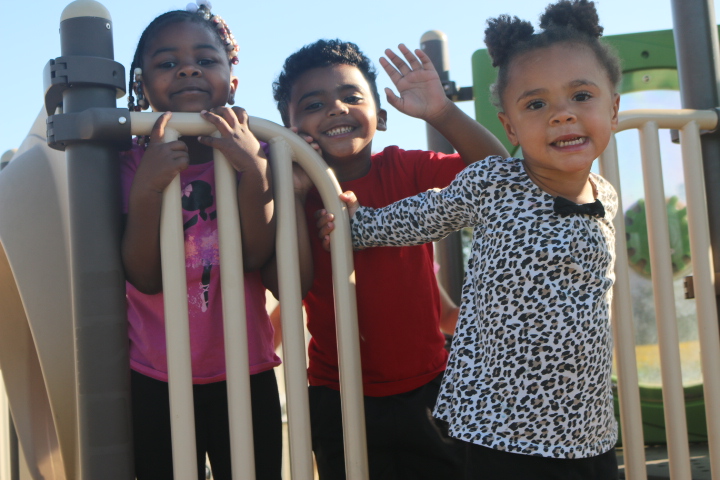
Our Three-Year-Old Classroom is a vibrant, discovery-rich environment designed to bridge the gap between toddlerhood and formal schooling. Here, children transition from simple exploration to purposeful, structured learning rooted in play.
The curriculum focuses on building sophisticated pre-literacy and pre-math skills, encouraging letter and number recognition, patterning, and sequencing. Socially, we emphasize cooperative group play, conflict resolution, and following multi-step directions, preparing them for the social dynamics of kindergarten. Your child will leave this room with enhanced independence, complex language skills, and the cognitive readiness to confidently engage with academic challenges.
Daily Schedule
| Time Frame | Activity & Focus | Developmental Goal |
|---|---|---|
| 6:30 am - 9:00 am | Arrival & Free Choice Centers: Children transition into the room and choose activities (building blocks, puzzles, quiet books). | Social comfort, Independent choice, Fine motor skills. |
| 7:00 am - 9:00 am | Breakfast & Self-Care: Group mealtime focusing on table manners. Structured bathroom/potty routine and hand-washing. | Self-help skills; Hygiene; Responsibility. |
| 9:00 am - 9:30 am | Morning Meeting (Circle Time): Calendar, weather, discussions about the day's theme, storytelling, songs, and fingerplays. | Listening skills; Language development; Routines. |
| 9:30 am - 10:30 am | Academic Work Centers (Small Groups): Teacher-led rotating activities focusing on the weekly theme: pre-writing, counting, letter recognition, or simple science. | Pre-literacy; Pre-math; Focused attention. |
| 10:30 am - 10:45 am | AM Snack & Transition: Group snack followed by a quiet transition activity back inside. | Sustained energy; Emotional regulation. |
| 10:45 AM - 11:45 AM | Outdoor Play/Gross Motor: Vigorous time in the playground focusing on climbing, running, balance, and cooperative games. | Physical coordination, Energy release, and Social interaction. |
| 11:45 am - 12:00 pm | Lunch Service & Cleanup: Nutritious meal. Emphasis on independence in serving themselves (when appropriate) and cleaning their space. | Independence, Fine motor skills, and Social dining. |
| 12:00 pm - 12:30 pm | Quiet Reading & Preparation: Story read aloud, bathroom routine, and quiet time preparation on individual mats. | Literacy: Transition to rest. |
| 12:30 pm - 2:30 pm | Nap/Rest Time: Mandatory quiet time for all children. Quiet activities (books, puzzles) are provided for children who do not sleep. | Physical rest; Brain consolidation. |
| 2:30 pm - 2:45 pm | Wake Up & PM Bathroom Routine: Gentle awakening, scheduled potty breaks, and getting dressed. | Hygiene; Self-awareness. |
| 2:45 pm - 3:00 pm | PM Snack & Interactive Story: Group snack followed by a high-engagement story or puppet show. | Vocabulary building; Group engagement. |
| 3:00 pm - 3:45 pm | Outdoor Play/Gross Motor: Vigorous time in the playground focusing on climbing, running, balance, and cooperative games. | Physical coordination, Energy release, Social interaction. |
| 3:45 pm - 4:30 pm | Creative & Sensory Exploration: Free choice in the art area (painting, collage, playdough) or sensory table (water, sand, manipulatives). | Fine motor skills; Creativity; Exploration. |
| 4:30 pm - 5:00 pm | Late Day Centers & Departure: Clean-up routine, quieter table activities (board games, drawing), and one-on-one goodbyes with families. | Responsibility; Socializing; Secure transitions home. |
This schedule blends active learning centers, structured group time, and critical periods for self-care and outdoor activity, preparing children for the structure of future schooling.
Milestone Objectives
The Three-Year-Old Classroom is focused on accelerating children toward kindergarten readiness by fostering high-level independence, complex social engagement, and robust pre-academic skills. Our milestone objectives center on developing expressive communication (using complex sentences and storytelling), cognitive reasoning (identifying colors, letters, and numbers), and emotional regulation (cooperating in large groups and resolving conflicts verbally). We prioritize deep exploration through play, ensuring your child develops the confidence and skills necessary to transition into a successful academic environment.
Language and Communication: Becoming Storytellers
At age three, language shifts from simple communication to true expressive storytelling. Milestones include speaking in complex sentences of 5–6 words, successfully reciting familiar songs and rhymes, and holding long, detailed conversations about past and future events. They understand and use descriptive language related to size, shape, and location.
Our program encourages this verbal mastery through frequent group discussions, show-and-tell activities, and dramatic play scenarios where children can practice their growing narrative abilities.
Cognitive and Pre-Academic Skills: The Foundations of Learning
This is the pivotal year for building pre-literacy and pre-math skills. Key cognitive milestones include identifying the most basic colors and shapes, recognizing and naming several letters and numbers (especially those in their own name), and successfully grasping sequencing and patterning concepts. They also begin to count small groups of objects accurately.
We facilitate these skills through purposeful play: using blocks to practice simple addition, matching flashcards for letter recognition, and engaging in hands-on science activities that promote curiosity and critical thinking.
Social and Emotional Growth: Group Dynamics and Empathy
Social development in the three-year-old classroom centers on the ability to thrive in a group setting. Milestones achieved include consistently following multi-step directions, understanding the concepts of fairness and sharing, and effectively using verbal negotiation to resolve peer conflicts with teacher guidance.
They become highly capable in self-help skills, independently using the restroom, dressing, and managing their personal belongings. We nurture empathy and cooperation through collaborative projects and structured games that teach patience, turn-taking, and respect for their peers.
Motor Skills: Precision and Coordination
Physically, three-year-olds exhibit a huge leap in coordination and control. Gross motor milestones include standing on one foot for a moment, walking up stairs using alternating feet, and riding a tricycle.
Their fine motor skills show remarkable precision: they can hold a crayon with a proper grasp, cut paper with child-safe scissors, build intricate block structures, and manipulate small playdough tools. Our daily schedule integrates challenging physical activities and intentional art and manipulative work to strengthen the muscle control required for future writing and dexterity.
Emeralds (4-5 year Preschool)
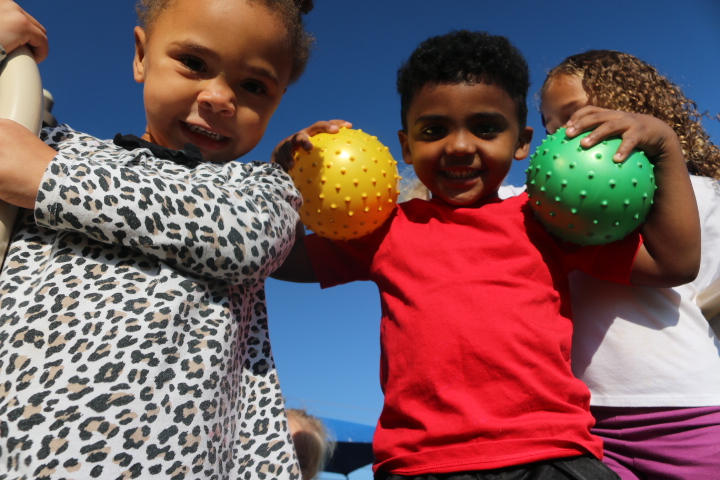
Our Preschool Classroom, designed for children aged four to five, is the exciting culmination of their early education journey, fully focused on ensuring Kindergarten Readiness. This room operates with a structured schedule that introduces more advanced pre-academic learning, diving deeper into phonics, early writing skills, complex math concepts (like simple addition and subtraction), and scientific inquiry.
Socially, we emphasize collaborative project work, independent problem-solving, and self-regulation, empowering children to manage their time and emotions within a larger group. Through engaging, hands-on activities and centers, we foster critical thinking, creativity, and the self-confidence necessary for a successful transition into elementary school.
Daily Schedule
| Time Frame | Activity & Focus | Developmental Goal |
|---|---|---|
| 6:30 am - 9:00 am | Arrival & Independent Work: Transition, self-directed play at various centers (puzzles, reading nook, small manipulatives). | Focus; Fine motor skills; Independent choice. |
| 7:00 am - 9:00 am | Breakfast & Self-Care: Group mealtime and thorough cleanup. Independent bathroom break and hand-washing routine. | Self-help skills; Hygiene; Responsibility. |
| 9:00 am - 9:30 am | Morning Meeting & Phonics: Whole-group time for calendar, weather, discussions, and focused, interactive lessons on letter sounds and sight words. | Pre-literacy: Listening skills, Group engagement. |
| 9:30 am - 10:30 am | Academic Centers (Small Groups): Children rotate through teacher-led stations focusing on math (counting, graphing), writing (name practice, drawing), and science experiments. | Focused attention, Pre-math, and Early writing skills. |
| 10:30 am - 10:45 am | AM Snack & Transition: Group snack followed by a quiet transition activity back inside. | Sustained energy; Emotional regulation. |
| 10:45 am - 11:45 am | Outdoor Play & Motor Skills: Extended time for vigorous play (running, jumping rope, complex climbing) and large group games. | Physical fitness, Cooperation, Gross motor refinement. |
| 11:45 am - 12:00 pm | Lunch Service & Cleanup: Serving a nutritious meal. High emphasis on independence in self-serving and cleaning their area. | Responsibility; Independence; Social dining. |
| 12:00 pm - 12:30 pm | Quiet Literacy & Transition: Listening to a chapter book or complex picture book read aloud, followed by a calm transition for rest. | Extended listening skills; Vocabulary building. |
| 12:30 pm - 2:00 pm | Nap/Rest Time: Mandatory quiet time. | Physical rest; Emotional self-regulation. |
| 2:00 pm - 2:15 pm | Wake Up & PM Bathroom Routine: Gentle awakening, scheduled bathroom breaks, and dressing. | Hygiene; Self-awareness. |
| 2:15 pm - 2:30 pm | PM Snack & Group Discussion: Group snack followed by a focused discussion about the day's theme or a current event. | Critical thinking; Communication skills. |
| 2:30 pm - 3:30 pm | Outdoor Play & Motor Skills: Extended time for vigorous play (running, jumping rope, complex climbing) and large group games. | Physical fitness, Cooperation, Gross motor refinement. |
| 3:30 pm - 4:00 pm | Project & Dramatic Play: Time dedicated to large, collaborative projects (building a city, painting a mural) or sustained, complex imaginative role-play. | Creativity; Collaborative problem-solving. |
| 4:00 pm - 5:00 pm | activities (drawing, simple board games), and one-on-one goodbyes with families. | Responsibility; Secure transition home. |
This schedule balances structured academic activities, large group instruction, independent project time, and physical activity, emphasizing kindergarten readiness.
Milestone Objectives
Our Preschool Classroom (Ages 4–5) focuses on Kindergarten Readiness by challenging children to master advanced developmental milestones across all domains. This includes moving from pre-literacy to early reading concepts like phonological awareness and letter sounds, engaging in complex mathematical problem-solving, and demonstrating a high degree of social and emotional self-regulation. Children develop the independence to complete multi-step tasks, collaborate on projects, and use sophisticated language to communicate abstract ideas, ensuring they are intellectually and socially confident for their transition to elementary school.
Language and Communication: Mastering Literacy
The core language milestone for our preschoolers is the shift toward early reading readiness. Children begin to understand and use phonological awareness, recognizing beginning and ending sounds in words, and mastering the names and sounds of most letters. They speak in detailed, complex sentences, can retell stories with a clear beginning, middle, and end, and use language to argue or negotiate with peers.
Our focus is on fostering this mastery through guided reading, journal writing (drawing and dictating stories), and robust vocabulary enrichment.
Cognitive and Pre-Academic Skills: Complex Reasoning
Cognitive development centers on structured academic skills and logical reasoning. Milestones include confidently counting to 20 or higher, recognizing numerals up to 10, and understanding simple addition and subtraction concepts through physical manipulation (using blocks). They can recognize and duplicate complex patterns (e.g., A-B-B-A), identify their written name, and show sustained focus for teacher-led activities lasting 15–20 minutes.
We utilize structured centers and projects that integrate math, science, and technology to promote critical, analytical thinking.
Social and Emotional Growth: Collaboration and Self-Control
Social and emotional readiness for kindergarten is paramount. Milestones include demonstrating excellent self-regulation, managing strong emotions appropriately, and resolving most minor peer conflicts through verbal negotiation rather than resorting to a teacher. They consistently engage in cooperative play, working with peers to achieve a shared goal (building a fort, putting on a play).
We prioritize large group activities, collaborative projects, and discussions on empathy and community to ensure they are respectful, responsible, and prepared for classroom dynamics.
Motor Skills: Dexterity and Coordination
Physically, four- and five-year-olds refine skills necessary for the primary grades. Fine motor milestones include holding a pencil with an adult-like grasp, independently cutting along straight and curved lines with scissors, and manipulating small materials like beads and clay with precision.
Gross motor milestones involve demonstrating balance (hopping on one foot), skipping, and developing hand-eye coordination (throwing and catching a small ball). Our program provides ample opportunities for both detailed tabletop work and challenging outdoor play to enhance the dexterity required for writing and sustained physical activity.
Amethysts (5-12 years School Age)
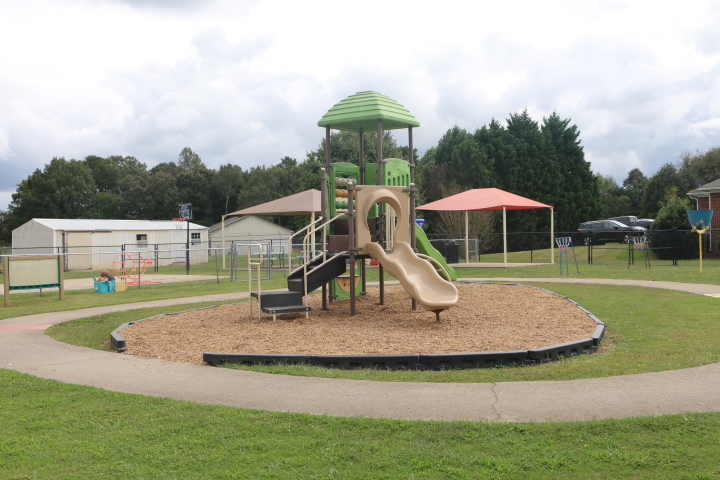
Our School-Age Program, serving children aged 5–12, offers a safe, engaging, and enriching environment before and after school, and during holidays and summer breaks. This classroom focuses on providing a balance of recreational activities and academic support.
We provide dedicated time and resources for homework completion and offer mentorship to foster organizational and study skills. Our curriculum is built around collaborative projects, STEM challenges, and interest-based clubs that encourage critical thinking, teamwork, and leadership development. Far from simply being a place for supervision, we create a supportive community where older children can unwind, build lasting friendships, and explore new hobbies and talents.
Daily Schedule
| Time Frame | Activity & Focus | Developmental Goal |
|---|---|---|
| 6:30 am - 7:30 am | Arrival & Transition: Quiet time. Free choice of activities (puzzles, drawing, quiet reading) to ease into the day. | Calm transition; Independent choice. |
| 7:30 am - 8:00 am | Breakfast Service: Nutritious group breakfast. Encouraging independence and conversation. | Nutritional needs; Social interaction. |
| 8:00 am | Departure: Escort to school bus or to local school (time adjusted per local school schedule). | Punctuality; Safe transition. |
| 2:50 pm - 3:00 pm | Arrival & Decompression: Check-in, put away backpacks, and immediate free play (board games, building blocks, talking with peers) to unwind after the school day. | Emotional regulation; Peer bonding. |
| 3:00 pm - 3:15 pm | PM Snack & Group Discussion: Group snack followed by a focused check-in (e.g., "Highs and Lows" of the school day). | Social-emotional skills; Sustained energy. |
| 3:15 pm - 3:45 pm | Gross Motor & Cleanup: Short period of active play (gym or outdoors) followed by a shared cleanup of the classroom/activity areas. | Physical activity; Responsibility; Teamwork. |
| 3:45 pm - 4:15 pm | Optional Homework/Quiet Study Hour: Dedicated, supervised time for students to complete assignments. Staff provide support and resource access. | Academic responsibility; Organizational skills. |
| 4:15 pm - 4:45 pm | Enrichment Activity (Project-Based): Structured activity focused on STEM, Arts & Crafts, or Group Reading. Rotation of projects (e.g., building with circuits, collaborative mural). | Critical thinking, Collaboration, Creativity. |
| 5:00 pm | Departure: Quiet activities (drawing, independent reading) as children are picked up by their families. | Calm transition home. |
This schedule is designed to be flexible, supporting academic needs while providing downtime and engaging group activities outside of school hours.
Milestone Objectives
Our School-Age Program focuses on developing the essential executive functioning skills and social competence crucial for success in elementary and middle school. Objectives center on mastering independent task management (homework and organization), practicing complex critical thinking through collaborative projects, and refining peer-to-peer conflict resolution and emotional regulation. We aim to nurture self-motivated learners who are responsible, empathetic, and confident in navigating their academic and social worlds.
Executive Function and Academic Support: Mastering Self-Management
For school-age children, the primary objective is mastering executive function, which includes the ability to plan, organize, and manage time independently. Milestones involve consistently completing homework with minimal adult prompting, organizing their belongings and materials efficiently, and utilizing organizational tools like planners or checklists.
We provide dedicated quiet time, resources, and mentorship to help children move from relying on external structure to internalizing the skills necessary for long-term academic success and responsibility.
Social Competence and Leadership: Navigating Peer Dynamics
Social growth in this age range shifts toward understanding complex peer dynamics and demonstrating leadership. Key milestones include the ability to resolve conflicts autonomously using negotiation and compromise, showing genuine empathy and perspective-taking toward diverse age groups, and successfully participating in collaborative, long-term group projects.
Our program emphasizes mixed-age grouping to foster mentorship, where older children model appropriate behavior and younger children learn from experienced peers, building a strong sense of community and responsibility.
Cognitive and Critical Thinking: Exploration and Inquiry
Cognitive milestones move beyond basic facts to encompass critical thinking and problem-solving. Children are encouraged to ask complex "how" and "why" questions, evaluate information, and apply academic knowledge to real-world scenarios.
Our enrichment time focuses on STEM challenges, art projects, and interest-based clubs that require them to hypothesize, test ideas, and analyze results. The goal is to cultivate intellectual curiosity and the ability to think flexibly and creatively when encountering novel challenges.
Personal Responsibility and Safety: Independent Decision-Making
Developing a strong sense of personal responsibility is a continuous objective. Milestones include managing their free time effectively by balancing recreational play and assigned tasks, consistently following safety protocols (such as playground rules and online safety guidelines), and demonstrating accountability for their actions.
We empower school-age children to make appropriate choices, understand the consequences of those choices, and take initiative in caring for themselves and their shared environment without continuous adult supervision.
School Break Program
Our School-Age Summer Program transforms the break from school into a season of fun, discovery, and enrichment. We offer a dynamic array of activities designed to keep children mentally sharp and physically engaged. The schedule is packed with exciting field trips to local museums, parks, and attractions, providing real-world learning and adventure. To combat the "summer slide," we incorporate stimulating mental activities like themed reading challenges, logic puzzles, and light academic review to ensure minds are prepared for the upcoming school year. Furthermore, we nurture individual curiosity through interest-based learning, offering clubs and workshops focused on areas such as robotics, culinary arts, drama, and extensive craft projects, allowing every child to explore new skills and expand their knowledge in a relaxed, supportive environment.